
4 minutes
Should You Do a Full Body MRI? What It Shows, Cost, and Risks
Preventive care is getting more attention, and many people now want to know whether a full body MRI is worth it. These scans, sometimes called a full body MRI scan or whole body MRI, are being marketed as a way to spot health problems before they become a threat, and they have become popular among both average patients and celebrities. But does a full body MRI actually make sense for routine screening? Here is what it does, what you can expect, and when it may be useful.
What Is a Full Body MRI?
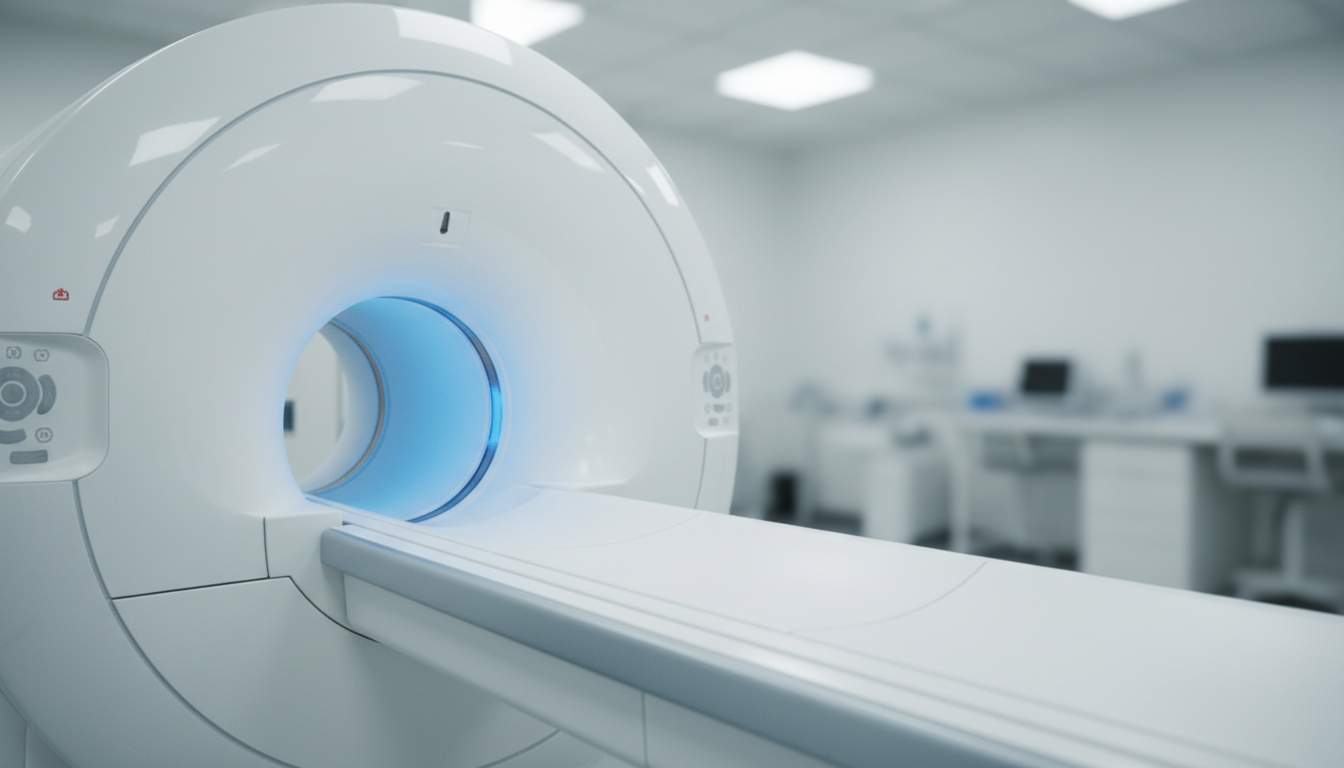
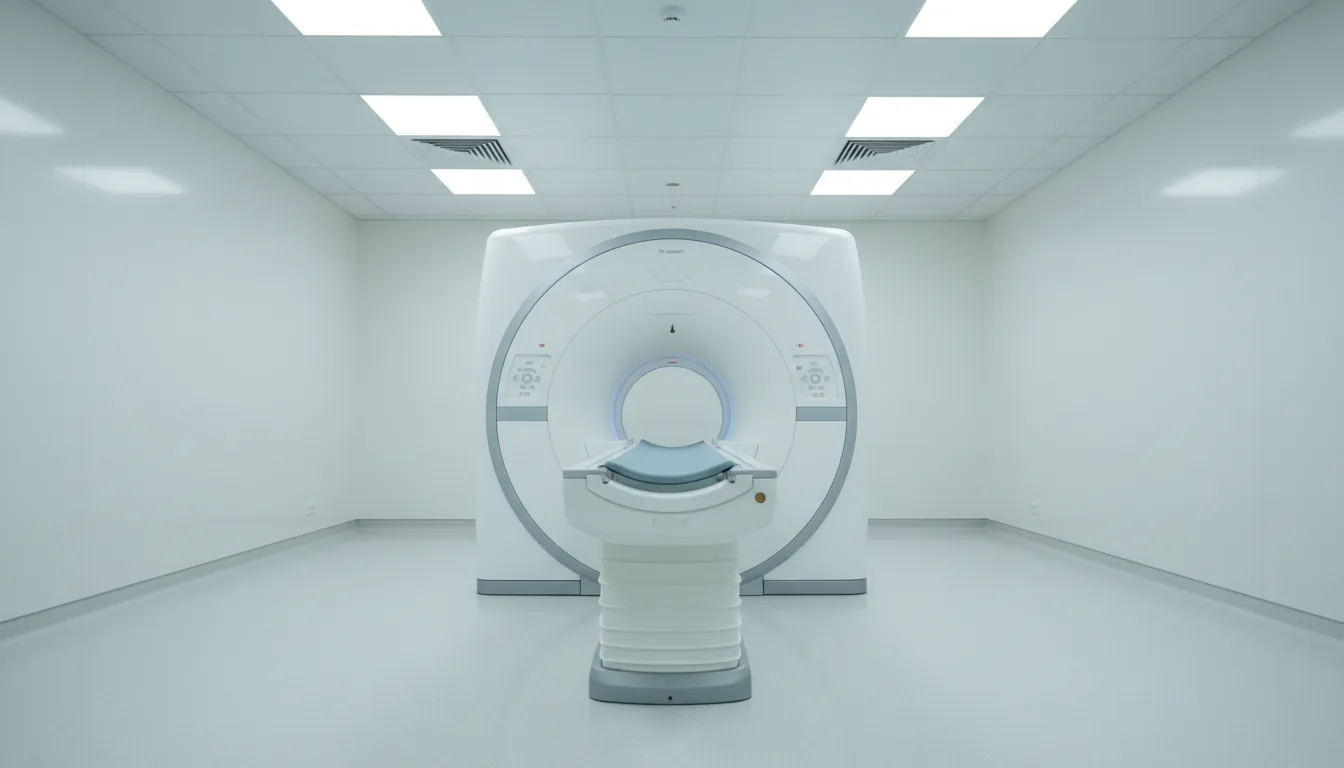
MRI, or magnetic resonance imaging, uses radio waves and a large magnet to create detailed images of the inside of the body. In a standard medical setting, MRI is usually ordered for a specific concern, such as a suspected tumor, torn ligament, or to monitor a known condition.
A full body MRI takes that concept further by scanning the entire body from head to toe. The goal is to provide a broad overview of internal organs and tissues, which is why some people consider it as part of a preventive health strategy.
The history of MRI goes back to the work of Nikola Tesla and later the modern patent filed by Dr. Raymond Vahan Damadian in 1972, who is often called the father of MRI. The technology has improved substantially over time and remains one of the most powerful imaging tools in modern medicine.
What Does a Full Body MRI Scan Show?
One of the most common questions patients ask is, what does a full body MRI scan show? In general, it can provide images of the brain, spine, major joints, and many soft tissues and internal organs. That means it may reveal masses, fluid collections, inflammation, some structural abnormalities, or other findings that deserve a closer look.
At the same time, no MRI full body exam can replace every targeted screening test. A scan may suggest that something is abnormal, but it does not automatically tell you how important that finding is or whether another test would be better for a specific concern.
What to Expect During the Scan
If you are thinking about getting a full body MRI, it helps to know what the experience is like. The scan is noninvasive and usually takes about an hour.
Because the machine uses a strong magnet, you cannot bring metal objects into the room. Jewelry, watches, and other accessories need to be removed before the scan starts. You will also need to leave your phone, glasses, and similar items in the changing or waiting area.
During the procedure, you will lie on your back on a bed that slides into a tunnel-like scanner. The machine will make repeated magnetic pulses while it captures images of the body. For many patients, the biggest challenge is simply staying still for the full scan.
Why People Are Interested in Full Body MRI
One reason full body MRI has become more popular is that it can sometimes uncover problems earlier than symptoms would. In January 2023, Maria Menounos shared that a full body scan helped lead to the discovery of pancreatic cancer, which was treated after a mass was found. That story brought a lot of attention to preventive imaging.
This is the kind of example that makes people wonder whether a scan could reveal something serious before it becomes harder to treat. In some situations, that early detection can matter a great deal.
A full body MRI may also be useful for evaluating inflammation, edema, water retention, and tissue problems. Research in journals such as Frontiers in Medicine has discussed how whole body MRI can help assess joint inflammation and track how treatment is working in certain conditions.
Potential Benefits and Limitations
The biggest advantage of a full body MRI is that it can provide a broad snapshot of what is happening inside the body. That may be helpful for people who want a more comprehensive picture of their health.
At the same time, a full body MRI is not a replacement for focused medical care. It is not always the best test for every concern, and it can identify findings that need follow-up but do not end up being serious. That can create unnecessary anxiety, extra testing, and additional cost.
In other words, the scan can be useful in the right setting, but it is not automatically the right choice for everyone. It works best when there is a clear reason to look more closely at the body as a whole.
How Much Is a Full Body MRI?
Another frequent search is how much is a full body MRI. The answer depends on the center, the country, and whether the scan is being done through a hospital system or a private screening company. In many markets, full body MRI cost can range from several hundred dollars to several thousand dollars.
That price difference matters because a higher price does not automatically mean better clinical value. If you are considering the test, ask exactly what is included, whether a radiologist review is part of the fee, and what kind of follow-up happens if the scan finds something unexpected.
Conclusion
Full body MRI has become a popular preventive screening option because it offers a wide view of internal health and may help detect certain problems early. But it is not a universal solution, and it should be considered carefully based on your personal risk factors, goals, and budget.
If you are thinking about getting one, talk with a physician about whether the scan makes sense for you and how it compares with more targeted screening options.
Reviewed by Dr. Ahmed Zayed, MD. This article is for educational purposes only and does not constitute medical advice.
References
- A Short History of Magnetic Resonance Imaging (MRI)
- Maria Menounos and full body screening coverage
- Whole Body MRI and Inflammation – PMC
- Whole Body MRI and Treatment Monitoring – PubMed

Licensed physician and clinical AI specialist. Founder and Editor-in-Chief of ZayedMD, a physician-led medical publication covering clinical AI, neurology, metabolic health, and evidence-based patient guidance.