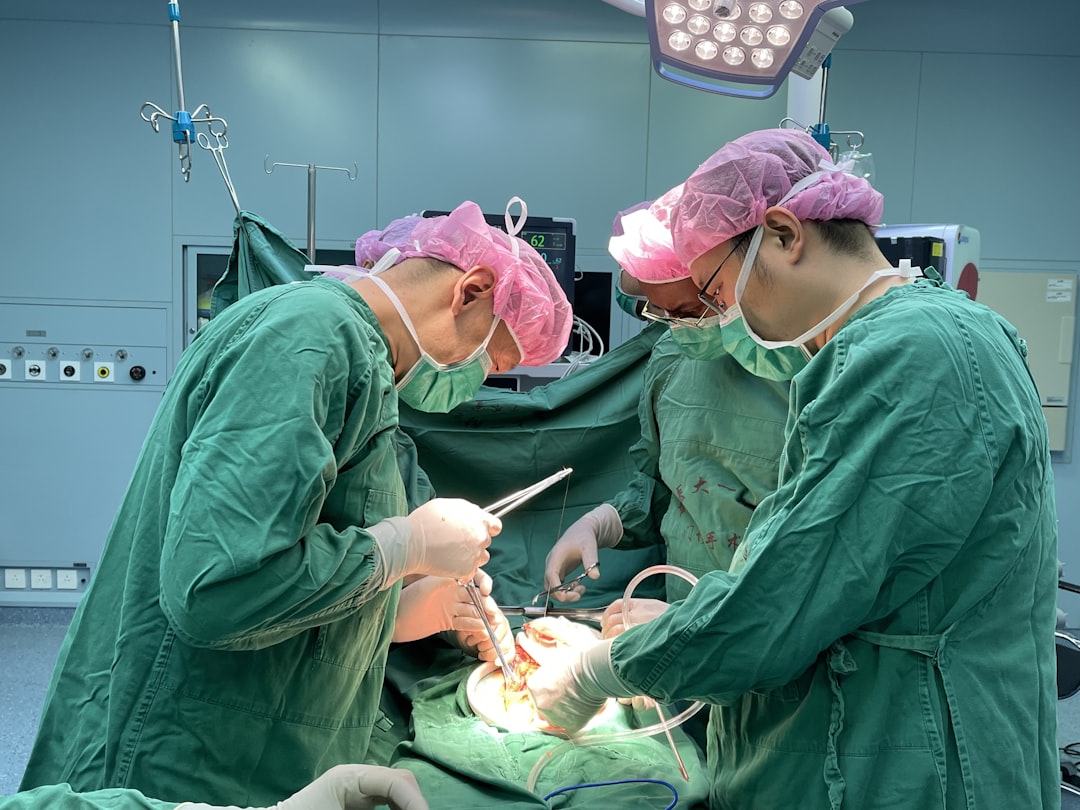

Tummy tuck – an abdominoplasty is an effective approach to tightening and repairing weakened muscles in the abdomen. The cosmetic procedure, performed by a board-certified specialist, can boost your confidence and help achieve so much more. Before you Scroll down to see who is an ideal candidate, how abdominoplasty helps, and get answers to the most frequently asked questions.
What is abdominoplasty?
Abdominoplasty, also known as a tummy tuck, is a cosmetic procedure to remove excess fat and skin in order to restore weakened muscles. The main goal of a tummy tuck is to create a smoother and firmer abdominal profile. Abdominoplasty is one of the most popular cosmetic surgeries performed by plastic surgeons across the globe. Evidence confirms that advancements in this area continue to surface, thus helping improve outcomes.
Keep in mind that tummy tuck is not the same as liposuction, although it’s not uncommon for women to undergo both procedures at the same time. Abdominoplasty is a major surgery which is why it’s important to know the facts before you decide whether to undergo this procedure or not. The tummy tuck is not a quick fix for weight loss as the procedure is only recommended for people with a healthy body mass index (BMI).
Am I a candidate for abdominoplasty?
You may be eligible for a tummy tuck if you are:
- A non-smoker or prepared to quit smoking for several weeks prior to and after the surgery
- Physically healthy, but with excess skin that has lost its elasticity throughout the abdominal area
- Within a healthy weight range
- Bothered by the appearance of the abdominal area
You’re also a good candidate if your expectations from abdominoplasty are realistic. A tummy tuck is not for everyone. You may not be an eligible candidate for this procedure if one (or more) of these criteria apply to you:
- You’re a smoker
- Planning to lose a significant amount of weight
- Having undergone previous abdominal surgery that resulted in a significant scar tissue
- BMI higher than 30
- Severe chronic condition, e.g. diabetes, heart disease
- Might consider getting pregnant
What are the benefits of a tummy tuck?
The advantages of abdominoplasty are truly numerous. They include:
- Stronger abdominal wall
- Slimmer and more toned appearance
- Firmer abdominal contour that is more proportional with your weight and body type
- Better posture
- Reduction of stress urinary incontinence (if you’ve struggled with that problem)
- Decreased back pain
- Confidence boost
Download tummy tuck checklist
For a smoother and more organised journey through abdominoplasty, feel free to .
Tummy tuck “Before & After “ photos
The best way to see how tummy tuck works is to take a look at before and after photos of procedures performed by Dr Barnett. Click tummy tuck before-and-after gallery to check them out.
Download procedure guide
Learn everything about tummy tuck through the ultimate procedure guide that you can .
What to Expect During Abdominoplasty Recovery
Considering it is major surgery, the tummy tuck is performed under general anaesthesia. During the procedure, a board-certified specialist incisions to remove most of the skin and fat between the belly button and the pubic hair. The incisions are usually made in a horizontal oval or an elliptical shape. The exact shape and size of the incision depend on the amount of excess skin. Once the abdominal skin is lifted, a board-certified specialist weakened abdominal muscles. Permanent sutures are used to tighten the fascia that lies over the abdominal muscles.
During the abdominoplasty procedure, a board-certified specialist the skin around the belly button and brings it out through a small incision. Then, the bellybutton is sutured in the normal position. The incision around the navel is often necessary to remove excess and loose skin in the upper abdominal area.
The tummy usually lasts between two to three hours. The exact course of the procedure depends on the type of abdominoplasty you need. Different types of tummy tuck include:
- 360 belt lipectomy – removes excess skin and fat around waist, i.e. beltline
- Extended tummy tuck – most suitable for patients who have lost a significant amount of weight. The procedure removes excess skin from a wider area than the standard tummy tuck
- Fleur-de-lis tummy tuck – leaves both horizontal and vertical scar. This technique is most suitable for patients who require the most correction. The vertical scar is usually necessary in patients with a long torso or the cases when removal of excess skin wouldn’t yield optimum results contour-wise
- Mini tummy tuck – suitable for a small number of patients because it provides minimal improvement. This procedure doesn’t reposition the navel, and it’s not intended to remove the excess skin from the upper abdomen. A mini tummy tuck leaves a small scar (4-8 inches) above the pubic area
- Reverse tummy tuck – also known as a revise tummy tuck, lifts and tightens loose, sagging skin from the upper abdomen only
- Standard (full) tummy tuck – requires a hip-to-hip incision below the belly button and another one around the navel. The procedure removes the excess skin and repairs abdominal muscles, usually after pregnancy
Abdominoplasty Recovery: What to Expect
During the abdominoplasty recovery, you will have bandages and dressings applied to the incisions. Moreover, a compression garment or elastic bandage may also be applied in order to support the healing process of the abdomen and minimise swelling. In fact, you may need to wear a supportive garment up to six weeks after a tummy tuck.

You can also expect to see small, thin tubes placed under the skin. Those tubes are placed temporarily, and their purpose is to drain excess blood or fluid that may accumulate in that area.
That being said, bruising, pain, and swelling are normal after such a major surgery, but a board-certified specialist give you instructions on how to make the healing process easier. For example, you may need to take painkillers, antibiotics to prevent infection, and anticoagulants which prevent blood clots.
During the first few days after the surgery, you may need to lie with knees angled, and upper body raised. Walking or standing straight is difficult during this time, so you will need to be hunched over. However, remaining sedentary isn’t what you should do. You may need to walk a little bit in order to prevent blood clotting.
About one to three weeks after the surgery, you will be able to resume light activities such as cooking, shopping, and driving. Make sure to avoid sudden movements, stretches, and other activities and positions that may form too much pressure on the incision.
You can expect to feel yourself again within eight weeks after the procedure. Keep in mind that the exact duration of recovery depends on multiple factors, including a type of tummy tuck, your age, postsurgical care, and your overall health.
Throughout the abdominoplasty recovery, you should keep the incision site clean and dry. Make sure to change the bandage daily, apply the topical creams at the incision site, and take any surgeon-recommended medications.
Feel free to consult a board-certified specialist exercises you can do once you recover. A healthy lifestyle is the best way to make sure the results last.
How much is a tummy tuck in Melbourne?
The cost of abdominoplasty tends to vary as different factors are involved. These factors include skin fold reduction, which needs to be corrected in terms of excess skin, abdominal muscle repair, hernia repair, and liposuction shaping. The costs also include anaesthetic costs, facility fees, post-operative care, surgery garments, medication, recovery aids, and more.
The actual costs of tummy tuck tend to range from [cost varies by location and surgeon]for a more affordable procedure with a less experienced surgeon. Procedures with experienced surgeons tend to be in the range from [cost varies by location and surgeon]or higher; up to $19,000 or more with premium surgeons. .
Funding
Being an elective cosmetic surgery procedure, a tummy tuck is usually not covered by health insurance providers. Often private health insurance doesn’t either. That being said, if a tummy tuck is done for reconstructive purposes, parts of the costs might be covered. .
FAQs
How painful is a tummy tuck?
During the surgery, you won’t feel anything due to general anaesthesia. After the procedure, it’s normal to feel the pain which is the most intense in the first week. On a scale of 1 – 10, the pain is often described as 6 to 7 in the first week. During the second week, pain is often at 3 to 4.
What is involved in a full tummy tuck?
The full tummy tuck involves an incision from one hip to another and also an incision around the belly button.
How many sizes do you lose with a tummy tuck?
Generally speaking, patients lose about one to two, up to three, dress sizes following a tummy tuck.
How long do tummy tucks last?
Tummy tuck results are meant to be permanent. For that reason, adopting a healthy lifestyle is important. A well-balanced diet and regular exercise can help you maintain weight in a healthy range and thereby retain tummy tuck results.
Does a tummy tuck lift your pubic area?
A tummy tuck can be performed with monsplasty, a pubic lift to flatten the excess tissue covering the pubic bone.
What is the maximum BMI for a tummy tuck?
A tummy tuck is usually recommended for persons whose BMI is lower than 30.
Does the fat come back after a tummy tuck?
Fat can come back after a tummy tuck. While abdominoplasty can help remove excess skin and fat, it doesn’t prevent them from coming back again. This is where healthy lifestyle steps in.
Does a tummy tuck make your waist smaller?
A tummy tuck can narrow your waistline while creating a flatter abdominal profile.
How do I get my stomach flat after a tummy tuck?
To get your stomach flat after a tummy tuck, you will need to eat a healthy diet and exercise (when the surgeon approves).
How many sizes do you lose with a tummy tuck and liposuction?
You can lose two to three, or up to four dress sizes depending on the amount of loose skin before the procedure.
Do celebrities get tummy tucks?
Yes, they do. A tummy tuck is one of the most popular procedures for celebrities after pregnancy or dramatic weight loss.
Can a tummy tuck come undone?
Results are supposed to be permanent. With proper post-operative care, adhering to Dr Barnett’s instructions, and a healthy lifestyle, you’ll be able to maintain them.
Should I get a mini or full tummy tuck?
The exact tummy tuck technique depends on the amount of loose skin you have. a board-certified specialist recommend the most suitable approach for your specific needs during the consultation.
What is worse a tummy tuck or C-section?
Most patients report recovery from a tummy tuck is easier than C-section. Of course, this may vary from one person to another.
How can I get my insurance to pay for a tummy tuck?
Your insurance may be willing to cover abdominoplasty costs if you’re undergoing reconstructive surgery, not for cosmetic purposes.
How long will I be hunched over after tummy tuck?
You can expect to be hunched over for several days up to a week after the procedure.
Does a tummy tuck lift your thighs?
A tummy tuck is not meant to lift your thighs, but it can be combined with a thigh lift procedure.
When can I wear jeans after a tummy tuck?
You will be able to wear jeans three weeks after the procedure.
How can you tell if someone has had a tummy tuck?
The only way you can tell if someone has had a tummy tuck is if you see their scars.
Planning your tummy tuck patient journey
Your tummy tuck journey starts with a consultation with Dr Barnett. During the consultation, the doctor will examine the abdominal area, assess your overall health, and provide the most suitable approach for your needs and expected results. After all, every patient is unique and may require a different abdominoplasty technique.
Finding the best surgeon in Melbourne
The results you expect depend on the surgeon you find. Since a tummy tuck is a major and demanding procedure, you need the best surgeon, and it’s not that difficult to find one. The ideal surgeon has the following qualities:
- Board-certified
- Reputable
- Vast experience in different types of abdominoplasty
- High success rate
- Rich patient portfolio
- Extensive knowledge
- Empathy
Risks and complications
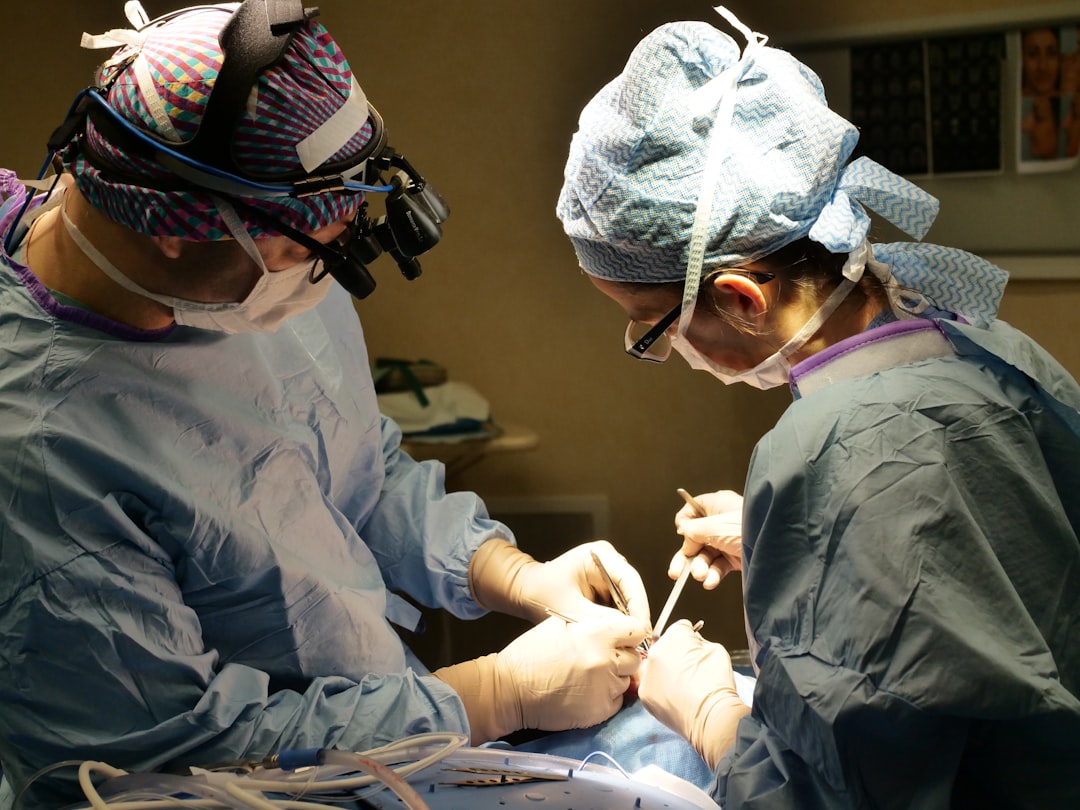
A tummy tuck has a wide spectrum of benefits, but also comes with certain risks. The most common risks and complications of this procedure may include:
- Adverse reaction to anaesthesia
- Asymmetry
- Bleeding
- Changes in skin sensation, e.g. decreased sensation and numbness
- Infection
- Persistent pain
- Poor wound healing
- Prolonged swelling and/or skin discolouration
- Recurrent looseness of the skin
- Seroma (fluid accumulation beneath the skin)
- Skin loss
- Tissue damage or death
- Unexpected scarring
Not everyone is bound to experience the above-mentioned risks. Smoking and prior reactions to any type of surgical procedures increase the likelihood of complications. During the consultation, a board-certified specialist discuss all the risks and complications with you. To .
Further reading
Abdominoplasty – Health Direct
Tummy Tuck – American Society of Plastic Surgeons
Abdominoplasty (Tummy Tuck) – Australian Society of Plastic Surgeons
Tummy Tuck – Mayo Clinic
Associated surgeries
A tummy tuck can be performed on its own or in combination with other procedures such as liposuction and breast augmentation. Abdominoplasty can also be performed with pubic lift and thigh lift.
Glossary
Fascia – connective tissue
Suture – a stitch or a row of stitches holding together the surgical incision
Celebrities are having a tummy tuck
A tummy tuck is one of the most popular cosmetic procedures among celebrities, usually after giving birth or losing a significant amount of weight. Some, of many, celebrities who had a tummy tuck include:
- Patricia Heaton
- Sharon Osbourne
- Shar Jackson
- Kerry Katona
Causes for a tummy tuck
Reasons why people opt for a tummy tuck, are numerous but revolve around protruding, loose, or sagging abdomen. This can happen due to:
- Ageing
- Pregnancy
- Heredity
- Significant weight fluctuations
- Prior surgery
Not all reasons for a tummy tuck are of cosmetic nature. Abdominoplasty can be performed as reconstructive surgery to:
- Correct obesity-caused abnormalities
- Correct abnormalities caused by disease or surgery, e.g. removal of large pelvic tumours
- Repair structural defects in the abdominal area
- Improve the abdomen contour after hernia repair
Is it worth it?
Since getting rid of excess skin, especially after a significant weight loss, it is difficult to achieve in a non-surgical way, a tummy tuck is worth it. Besides decreased dress size, tummy tuck boosts your confidence and improves overall health. Of course, the decision whether to opt for a tummy tuck is up to you, and it’s something to discuss with Dr Barnett.
How old – how young?
The abdominoplasty is usually performed on patients from 18 to 68 years old, or even older, depending on the general health of the patient.
Non-surgical alternatives
Some of the most common non-surgical alternatives for a tummy tuck include:
- ThermiTight – applies thermal energy to the abdominal area to tighten loose skin.
- CoolSculpting – administers intense cold to fat cells to freeze and destroy them.
- EMSCULPT – induces muscle contractions to work out, tighten, and tone the muscles
Keep in mind that non-surgical alternatives are limited and success is not a guarantee. Abdominoplasty could be the most effective way, for most people with significant excess skin, to tighten their abdominal wall.

Licensed physician and clinical AI specialist. Founder and Editor-in-Chief of ZayedMD, a physician-led medical publication covering clinical AI, neurology, metabolic health, and evidence-based patient guidance.